
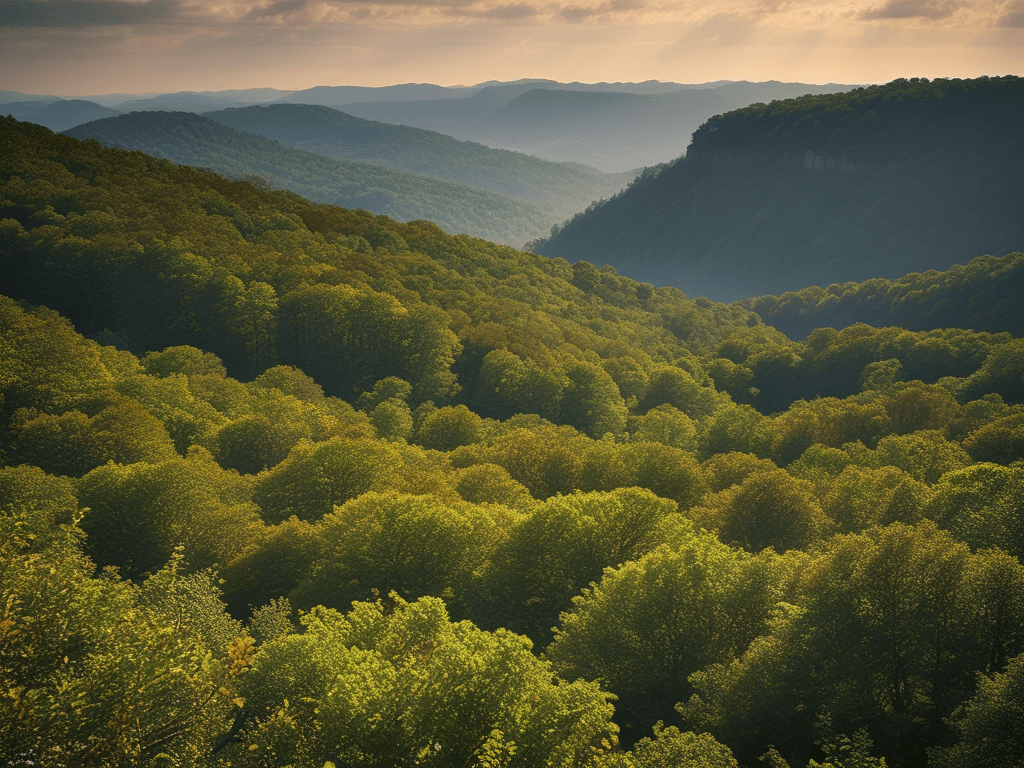
Climate change is a critical issue, especially with the upcoming election and the rapid effects already evident on a global scale. You’ve likely heard about rising sea levels, disappearing glaciers, increasing surface temperature, and more frequent extreme weather events. However, as residents of East Tennessee, we might not see these changes impacting our daily lives as dramatically. That’s why it’s crucial to understand how our local species and ecosystems are being affected, and will continue to be affected, by climate change in the near future. It becomes more personal when you realize how climate change is specifically impacting the place where you live and species that you encounter every day.
So how is climate change affecting East Tennessee?
- Increase in Hottest Days
- The number of extremely hot days has risen and is projected to continue increasing.
- In a typical year around 1990, people living around Knoxville experienced about 7 days of weather above 93 degrees Fahrenheit.
- By 2050, this is projected to increase to 46 days per year with temperatures over 93 degrees.
- Cumberland Plateau and Mountains
- Research has shown a significant increase tree mortality due to climate change.
- Rising temperatures also have a considerable impact on forest biomass, the organic material from plants and animals that can be used for renewable energy.
- The combination of forest area loss, forest fragmentation, and changes in biomass will result in a significantly altered ecosystem and forest composition compared to what is present today.
- Changing water availability
- Annual rainfall is increasing, which might seem beneficial, but rising temperatures lead to higher evaporation rates, actually reducing groundwater levels.
- Floods are likely to become more frequent, along with longer drought periods, which could greatly affect crop yields, increase erosion, and facilitate the spread of invasive species.
East Tennessee is facing significant challenges due to climate change, with more extreme heat days becoming the norm, impacting public health, agriculture, and daily life. The rising temperatures are also taking a toll on the Cumberland Plateau and mountain forests, that will likely transform the region’s ecosystems, threatening biodiversity and altering the landscape that we know and love. The changes in annual rainfall, evaporation rates, and frequency of floods and droughts pose serious risks to water resources, crop yields, and the stability of local ecosystems, highlighting the urgent need for climate resilience and action in East Tennessee. 1
East Tennessee Local Species
These are a few species you likely see frequently if you live in East Tennessee and how they are, or may be, affected by climate change.
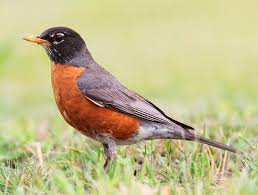
- American robin
- Robins are migrating earlier, beginning their migrations about five days earlier per decade, and leaving their winter grounds earlier as well.
- Over the past three decades, they have decreased in size by about 1.2%, which researchers consider a significant change in such a short time.
- They are also appearing in new areas of the Canadian and Alaskan tundra where they were not previously found. 2,5,7
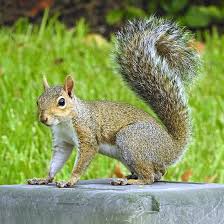
- Eastern Gray Squirrel
- Warming temperatures correlate with higher infant intakes, referring to the amount of nutrition needed for growth and health.
- Female squirrels are altering their hibernation patterns due to changing conditions.
- Their range may expand into new regions, but changes in forest habitats could lead to decreased range and population stability. 3,8
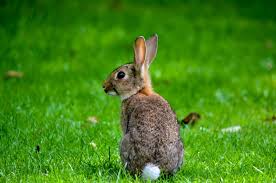
- Eastern Cottontail
- The Eastern cottontail is highly sensitive to changes in habitat composition, potentially leading to population declines, higher extinction rates, and lower resilience.
- Increasing temperatures and habitat changes are likely to reduce their abundance. 3,6
Climate change is already affecting common species in East Tennessee, such as the American robin, Eastern gray squirrel, and Eastern cottontail. These species are experiencing shifts in migration patterns, habitat ranges, and population dynamics, serving as early indicators of the broader impacts that climate change could have on the region’s biodiversity.
What can I do?
When you think about combating climate change, it can be easy to feel overwhelmed or unsure about what you can do as an individual. However, you don’t need to make drastic lifestyle changes to make a difference. There are many small, everyday actions that can have a big impact:
- Reduce your energy consumption
- Simple actions like unplugging electronics when not in use or switching to LED light bulbs can make a difference.
- If possible, consider investing in energy-efficient appliances or using renewable energy sources, like solar panels, to significantly reduce your carbon footprint.
- Promote sustainable transportation
- While switching to an electric vehicle (EV) is one of the most effective ways to reduce carbon emissions, there are other options if an EV isn’t feasible for you, such as carpooling, biking, or using public transportation.
- Conserve water
- Mindful water use is an easy habit to develop- every drop counts!
- Fixing leaks and installing low-flow fixtures are other effective ways to conserve water and protect our precious resources.
- Reduce waste
- Reducing waste is one of the easiest changes to implement in your daily life, from bringing reusable bags to the store to using refillable water bottles instead of single-use plastics.
- Don’t forget to recycle! It’s a simple yet impactful way to reduce your environmental footprint.
- Stay informed and Advocate
- Staying informed about climate policies and voting for leaders who prioritize environmental issues is crucial and easy to do.
- Sharing information about climate change and climate policies on social media can also help spread awareness and inspire others to take action. 9
If you have questions or have anything to share about climate change or simple ways to combat it please leave a comment! And if you enjoyed this post please give it a like and subscribe so you can be notified when I publish new posts! Thank you so much for reading.
References
- Tennessee Top Climate Change Risks: Storm, Heat / ClimateCheck. (n.d.). Climatecheck.com. https://climatecheck.com/tennessee
- Tennessee Wildlife Resources Agency. (n.d.). 100 birds of Tennessee. Retrieved from https://www.tn.gov/twra/wildlife/birds/100-birds-of-tennessee.html
- Tennessee Wildlife Resources Agency. (n.d.). Mammals. Retrieved from https://www.tn.gov/twra/wildlife/mammals.html
- iNaturalist. (n.d.). Knox County, TN, US. Retrieved from https://www.inaturalist.org/places/knox-county-tn-us
- Birds getting smaller, “wingier” as planet warms, UCLA-led research finds. (n.d.). UCLA. https://newsroom.ucla.edu/releases/birds-smaller-wingier-climate-change
- Post, E. S., & Forchhammer, M. C. (2004). Climate change reduces reproductive success of an arctic herbivore through trophic mismatch. Proceedings of the National Academy of Sciences of the United States of America, 101(21), 8647-8651. https://doi.org/10.1073/pnas.0400112101
- Berwyn, B. (2020, April 7). In a Race Against Global Warming, Robins Are Migrating Earlier. Inside Climate News. https://insideclimatenews.org/news/07042020/robin-migration-birds-climate-change/
- Schultheis, E., & Schultheis, E. (2020, January 20). Modeling the spread of invasive squirrels under changing climate and land cover – Conservation Corridor. Conservation Corridor. https://conservationcorridor.org/digests/2020/01/invasive-squirrels-in-italy/
- United Nations Environment Program. (2022, May 4). 10 ways you can help fight the climate crisis. UNEP; UNEP. https://www.unep.org/news-and-stories/story/10-ways-you-can-help-fight-climate-crisis
 Emily's Biology Blog
Leave a comment